Probiotics: Do They Really Work?

Introduction

Probiotics are everywhere — in yoghurts, supplements, and drinks. But do they really help?

What Are Probiotics?

Live bacteria that can support your gut when taken in the right amount.

When Might They Help?

  • After antibiotics

  • During IBS symptom flares

  • To support immunity and digestion

Food vs Supplements

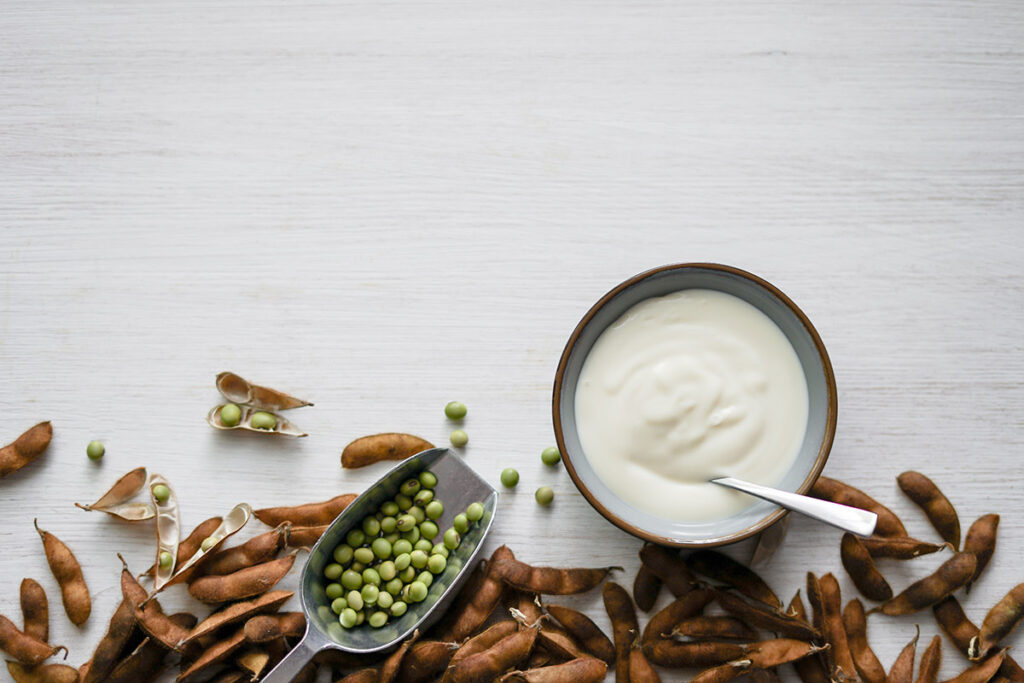
  • Fermented foods (yoghurt, kefir, sauerkraut) are great daily additions

  • Supplements should be strain-specific — seek guidance

Choosing the Right One

Look for:

  • CFU count in the billions

  • Strain type (e.g., Lactobacillus rhamnosus GG)

  • Evidence for your symptoms

The Mediterranean Diet: A Gut-Healthy Lifestyle

Introduction

The Mediterranean diet isn’t just a trend — it’s a time-tested way of eating that supports long-term health, particularly gut health.

What Is the Mediterranean Diet?

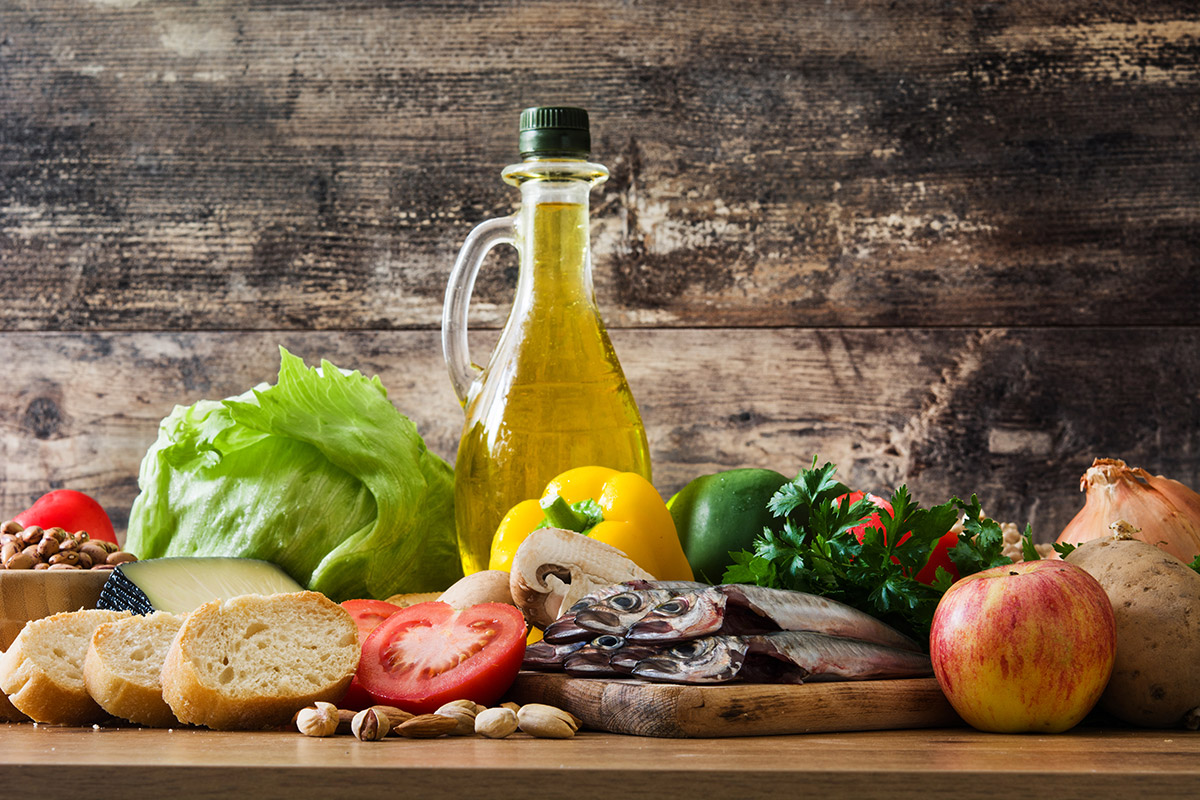
This diet emphasizes:

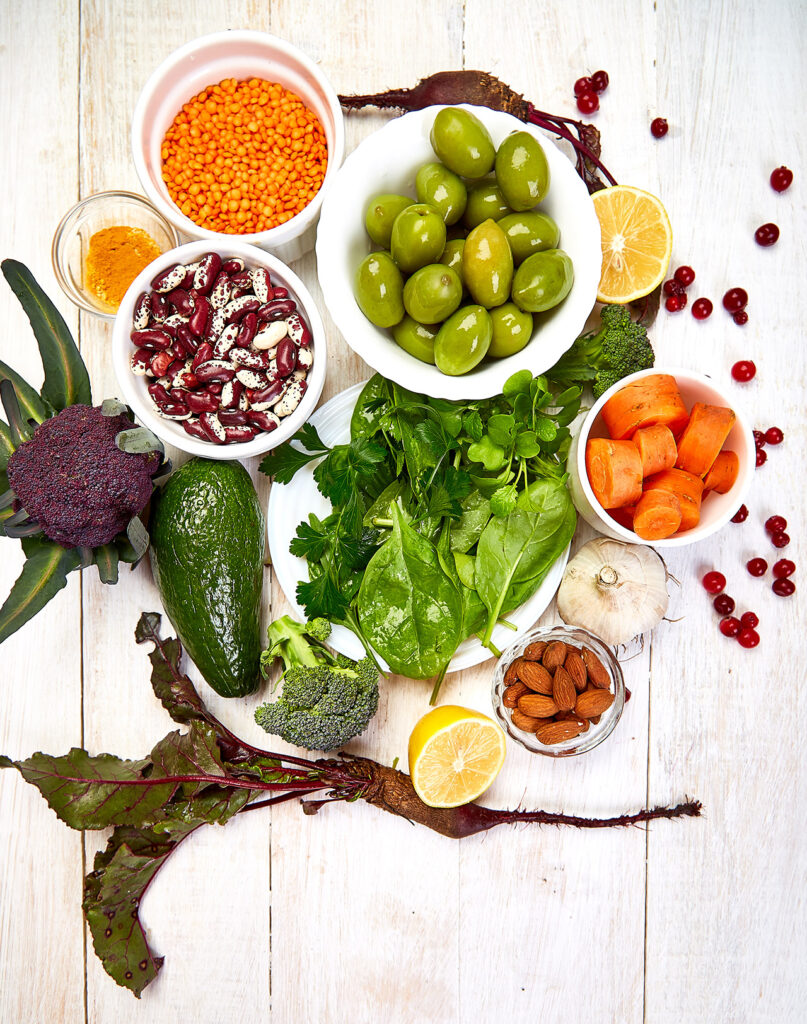
  • Fresh vegetables and fruits

  • Whole grains

  • Legumes and nuts

  • Healthy fats (especially olive oil)

  • Lean protein like fish and poultry

  • Limited red meat and processed foods

Gut Health Benefits

  • Feeds good bacteria: Rich in fiber and polyphenols that fuel the microbiome

  • Reduces inflammation: Anti-inflammatory foods like olive oil and omega-3s

  • Improves digestion: Diverse plant-based foods promote motility and healthy bowels

Clinical Backing

Research consistently links the Mediterranean diet to reduced IBS symptoms, improved microbiome diversity, and lower gut inflammation.

Tips to Get Started

  • Start with one Mediterranean-style meal per day

  • Swap processed snacks for nuts or fruit

  • Choose olive oil over butter

Final Thoughts

Small changes can lead to big improvements in gut health. And the Mediterranean diet is as delicious as it is healing.