Probiotics: Do They Really Work?

Introduction

Probiotics are everywhere — in yoghurts, supplements, and drinks. But do they really help?

What Are Probiotics?

Live bacteria that can support your gut when taken in the right amount.

When Might They Help?

  • After antibiotics

  • During IBS symptom flares

  • To support immunity and digestion

Food vs Supplements

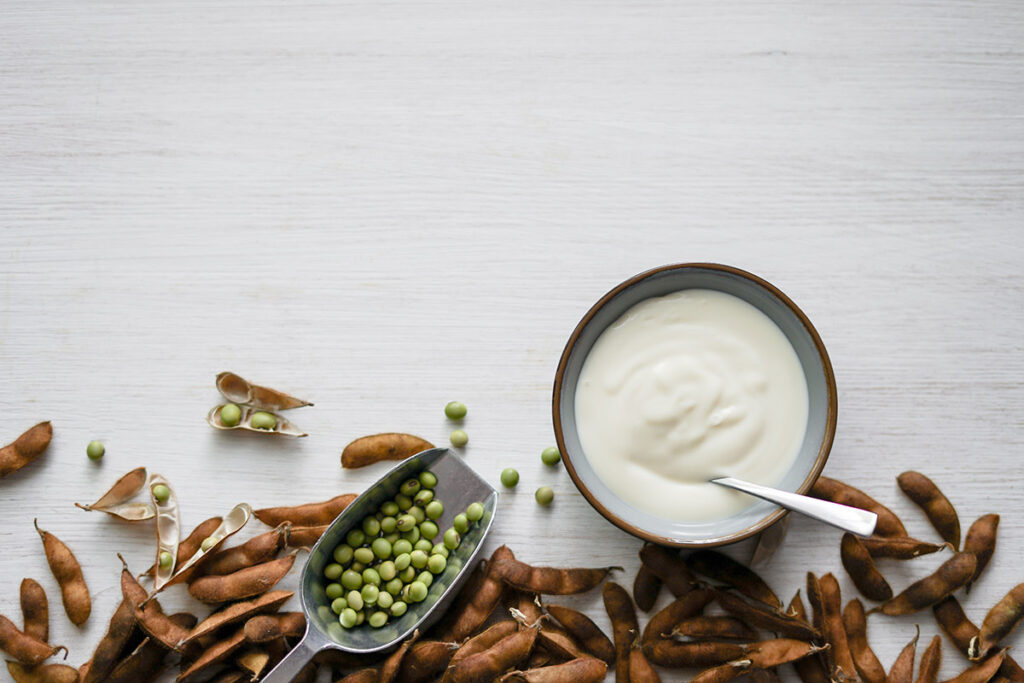
  • Fermented foods (yoghurt, kefir, sauerkraut) are great daily additions

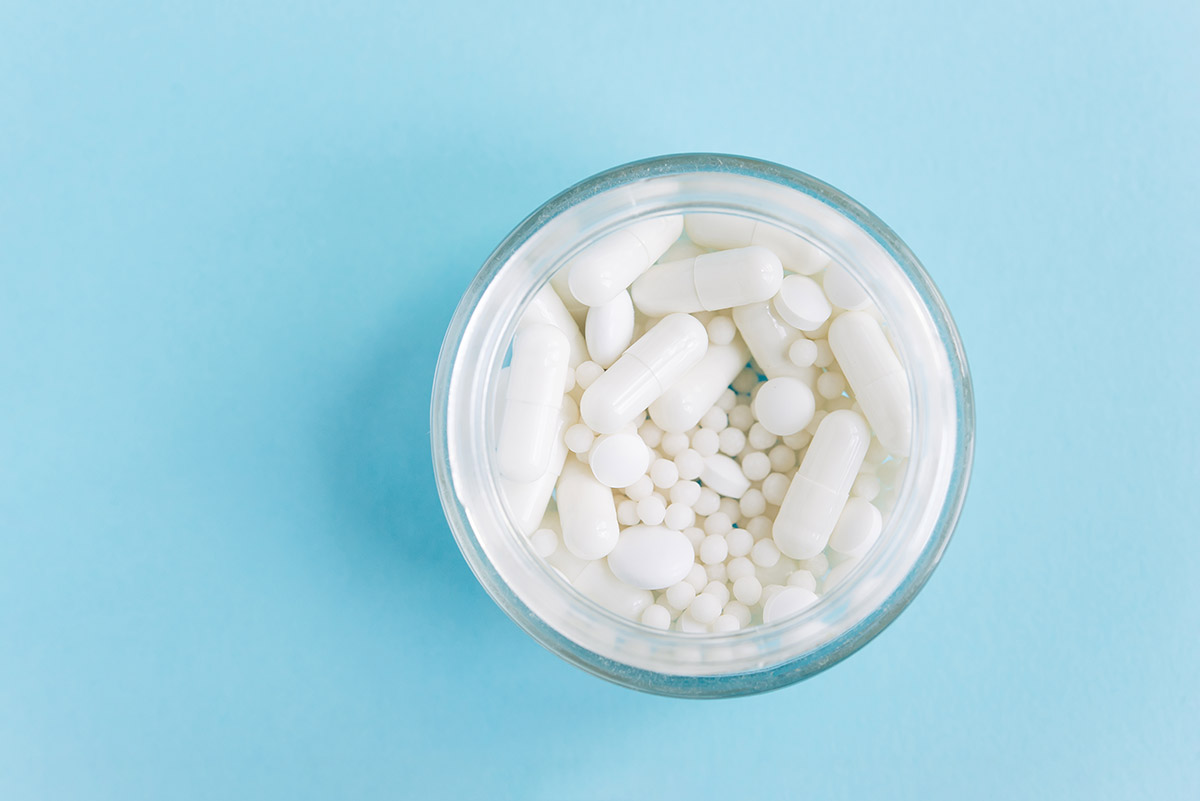
  • Supplements should be strain-specific — seek guidance

Choosing the Right One

Look for:

  • CFU count in the billions

  • Strain type (e.g., Lactobacillus rhamnosus GG)

  • Evidence for your symptoms

Understanding the Microbiome: Your Inner Ecosystem

Introduction

Trillions of microbes live in your gut. This “microbiome” might just be the most powerful health ally you’ve never heard of.

What Is the Microbiome?

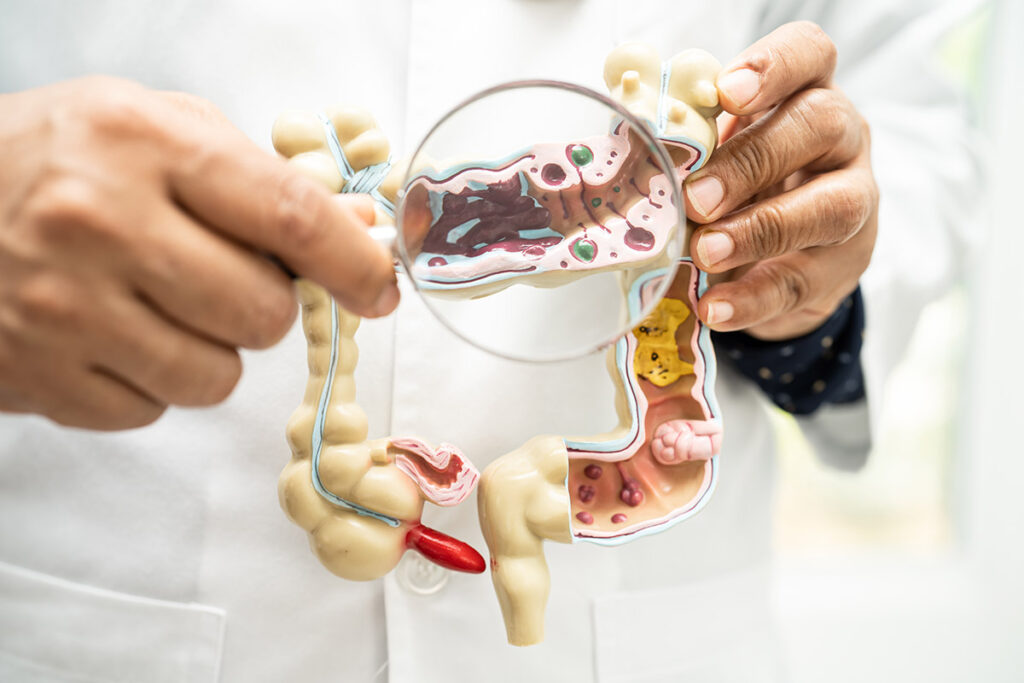
It includes bacteria, fungi, and other microbes that live in your digestive tract and impact digestion, immunity, and even mood.

How It Affects Health

  • Digests fiber and produces short-chain fatty acids

  • Protects against harmful microbes

  • Interacts with your immune system

  • May influence anxiety, depression, and cognition

How to Support a Healthy Microbiome

  • Eat a variety of plant-based foods

  • Include prebiotics (onion, garlic, oats, bananas)

  • Reduce ultra-processed foods

  • Consider probiotics (see next post!)

Constipation: Causes, Relief, and When to Act

Introduction

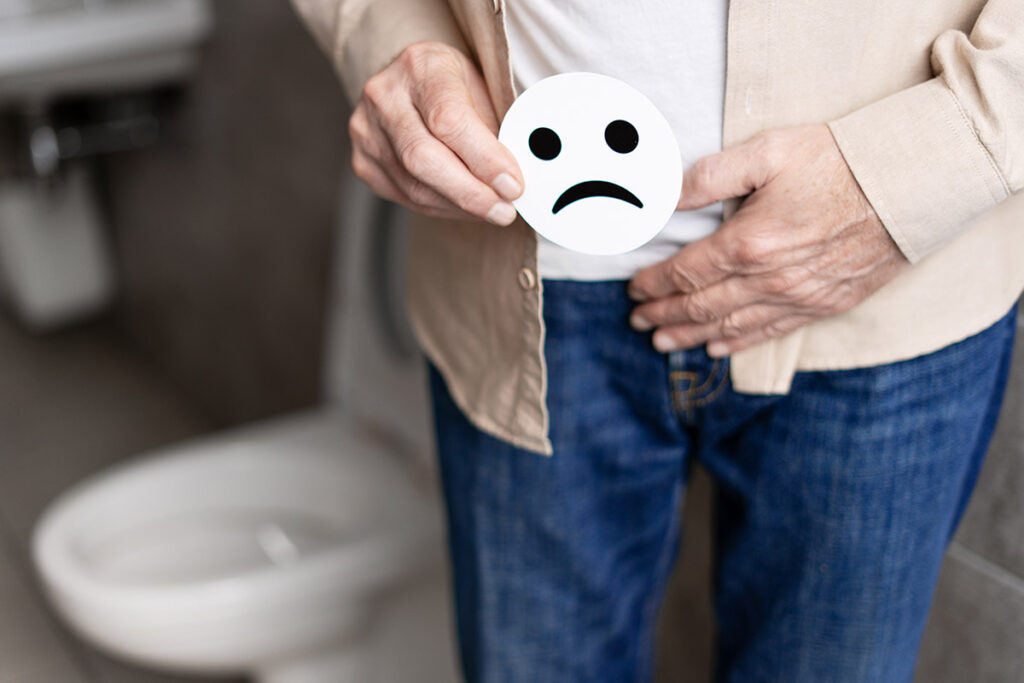
Constipation affects both comfort and confidence. Here’s how to manage it effectively.

What Counts as Constipation?

Less than three bowel movements a week, hard stools, or straining.

Common Causes

  • Low fiber intake

  • Dehydration

  • Sedentary lifestyle

  • Stress and anxiety

  • IBS or gut disorders

Relief Tips

  • Increase fiber slowly (fruits, oats, flaxseed)

  • Stay hydrated — aim for 6–8 glasses/day

  • Exercise gently but regularly

  • Try magnesium-rich foods (spinach, nuts)

When to Seek Help

If constipation is persistent, painful, or accompanied by other symptoms — professional advice is essential.

5 Dietitian-Approved Tips to Beat Bloating

Introduction

Bloating can feel like a balloon in your belly. Here’s how to gently deflate it — with tips that respect your gut.

1. Slow Down at Mealtimes

Rushing increases swallowed air and makes bloating worse. Try mindful eating.

2. Avoid Common Gas Culprits

Beans, onions, garlic, and fizzy drinks can trigger gas. Try a food/symptom diary.

3. Consider FODMAPs

Some fermentable carbs worsen symptoms in IBS. A dietitian can help you trial a low FODMAP approach safely.

4. Boost Movement

Gentle walks or yoga aid digestion and reduce trapped gas.

5. Rebuild Your Routine

Regular meals, hydration, and stress management all support smoother digestion.

When to Seek Help

Chronic bloating isn’t “normal” — personalised support can uncover hidden causes.